What to Eat for Energy When You're Running on 5 Hours of Sleep

When you’re dragging yourself out of bed on five hours of sleep, the last thing you want is a lecture about eating clean. You need real answers — what foods for energy on little sleep actually move the needle when your body feels like it’s running on fumes. Short answer: the right combination of protein, complex carbs, and healthy fats can genuinely help you function like a human being again, even when last night was rough.
The Foods for Energy on Little Sleep That Actually Work (And Why Most Advice Gets This Wrong)
Most energy-eating advice assumes you slept eight hours and just need a little boost. That’s not your situation. When you’re sleep-deprived, your cortisol is elevated, your blood sugar is already dysregulated, and your body is craving quick sugar hits that will make things worse by 10 a.m.
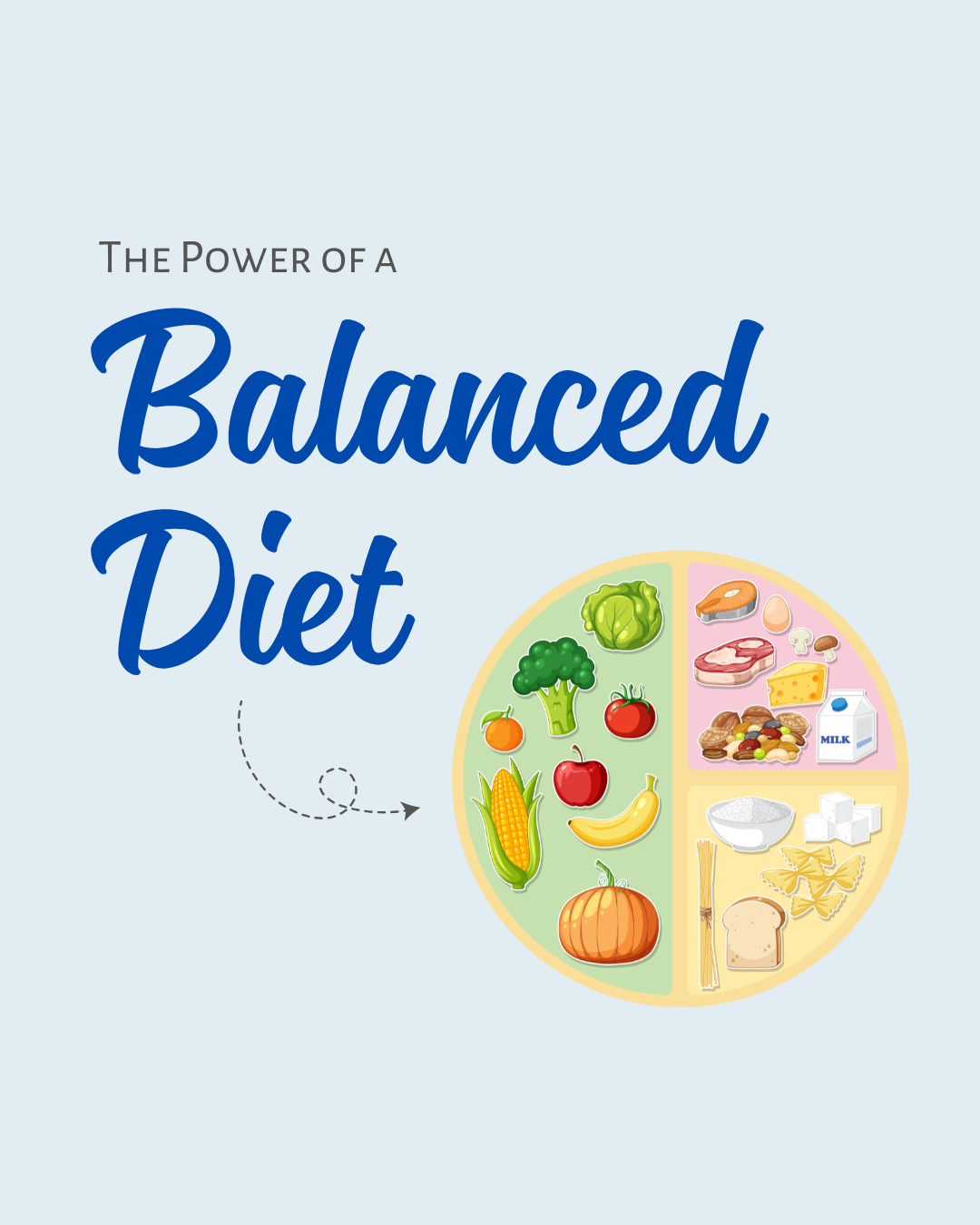
What you actually need first thing is protein — eggs, Greek yogurt, cottage cheese, even a handful of nuts — paired with something that delivers slow, steady glucose. Think oats, sweet potato, or whole grain toast. This combo blunts those cortisol spikes and keeps your brain from going completely offline before lunch.
Hydration matters more than most people realize here too. Sleep deprivation masks thirst, so before you reach for coffee number two, drink a full glass of water. Dehydration amplifies fatigue in a way that feels identical to sleep deprivation — and stacking both is brutal. Lead with water, then caffeine, then food. That order matters.
Why Caffeine Isn’t a Strategy (And What to Pair It With Instead)
Coffee isn’t the enemy — but leaning on it alone is a trap. Caffeine blocks adenosine receptors, which makes you feel less sleepy, but it doesn’t actually restore energy. And if you’re slamming it on an empty stomach, you’re spiking anxiety and cortisol even higher than they already are on no sleep.
The move is to eat first, then have your coffee. Pair it with something that has fat and protein — a couple of eggs, some nut butter on toast, even a small handful of almonds. This slows caffeine absorption, which gives you a steadier energy curve instead of that sharp spike-and-crash cycle that leaves you more depleted by noon.
As a trainer with 20+ years of experience working with dads, Rob has seen this pattern play out over and over: people under-eat in the morning, over-caffeinate, crash by 2 p.m., and then wonder why their energy is wrecked. The food strategy around your caffeine is as important as the caffeine itself.
What to Eat at Lunch to Avoid the Afternoon Wall
Here’s where a lot of people blow it. You made it through the morning, you feel okay, and then you eat a big carb-heavy lunch and you’re face-down on your desk by 2:30. On a good night’s sleep, your body can handle that. On five hours, it can’t.
Keep lunch protein-forward and moderate on the carbs. A salad with grilled chicken, salmon with roasted vegetables, a grain bowl with a solid protein source — these are the kinds of meals that let your brain keep working in the afternoon without the crash. Minimize the bread, the pasta, the heavy sauces. Not because carbs are bad, but because your insulin sensitivity is already compromised when you’re under-slept, and a big carb load at midday will knock you flat.
Save a small, balanced snack for mid-afternoon — something like apple slices with almond butter or a hard-boiled egg — to bridge the gap before dinner without raiding the office candy bowl.
Frequently Asked Questions
Does eating sugar give you energy when you’re tired? It gives you about 20 minutes of energy followed by a harder crash than you started with. When you’re sleep-deprived, your blood sugar regulation is already off — adding a sugar spike on top of that just makes the afternoon worse. Stick to protein and complex carbs.
Is it okay to skip breakfast when I’m too exhausted to eat? Skipping breakfast when you’re running on no sleep usually backfires. Your body is already stressed, and going without food for another few hours just raises cortisol further and makes the mental fog thicker. Even something small — yogurt, a banana with nut butter, a hard-boiled egg — is better than nothing.
What’s the best thing to drink for energy when I can’t have more coffee? Water first, always. After that, green tea is a solid option — it has less caffeine than coffee but includes L-theanine, which takes the edge off the jittery feeling. Coconut water can also help if you’re dehydrated, which tired dads almost always are.
If you want to stop guessing at your nutrition and start building an eating strategy that actually works for your life — not some idealized version of it — that’s exactly what nutrition coaching at Rob Lancsak Fitness is built for. You don’t need a perfect plan. You need one that holds up on five hours of sleep.