Why Counting Calories Doesn't Work for Most Dads (And What Does)

You tried the app, you logged the meals, and then Wednesday happened — a work deadline, a sick kid, a dinner you didn’t cook — and the whole system fell apart. Here’s the truth: why calorie counting fails busy dads isn’t a willpower problem, it’s a design problem. The method was built for people with time, consistency, and mental bandwidth you simply don’t have right now. There’s a better way, and it doesn’t require logging a single number.
Why Calorie Counting Fails Busy Dads (And Why It’s Not Your Fault)
Calorie counting works great in a controlled environment — when you prep every meal, eat at home, and have headspace to track. That’s not your life. Your life is grabbing whatever’s in the fridge at 7pm after bath time, eating half your lunch standing up, and forgetting breakfast happened at all. The math breaks down fast when life doesn’t cooperate.
Beyond the logistics, there’s a mental cost most people don’t talk about. Every meal becomes a calculation instead of a moment to actually fuel yourself. That cognitive load adds up, and for a dad who’s already running on empty, it’s one more thing demanding your attention. When the system fails — and it will — the shame that follows is often worse than the missed calories. This is exactly why calorie counting fails busy dads at a structural level: it demands consistency from someone whose schedule is inherently inconsistent.
What Actually Works: Simple Structures That Survive Real Life
Instead of counting, you want guardrails. Think of it as building a food environment that makes the right choices the default, not the result of willpower. A few practical shifts do more than any app. Eat protein first at every meal — it keeps you full, preserves muscle, and stabilizes energy without needing to do math. Build two or three “anchor meals” you rotate through during the week so you’re not making decisions from scratch every day.
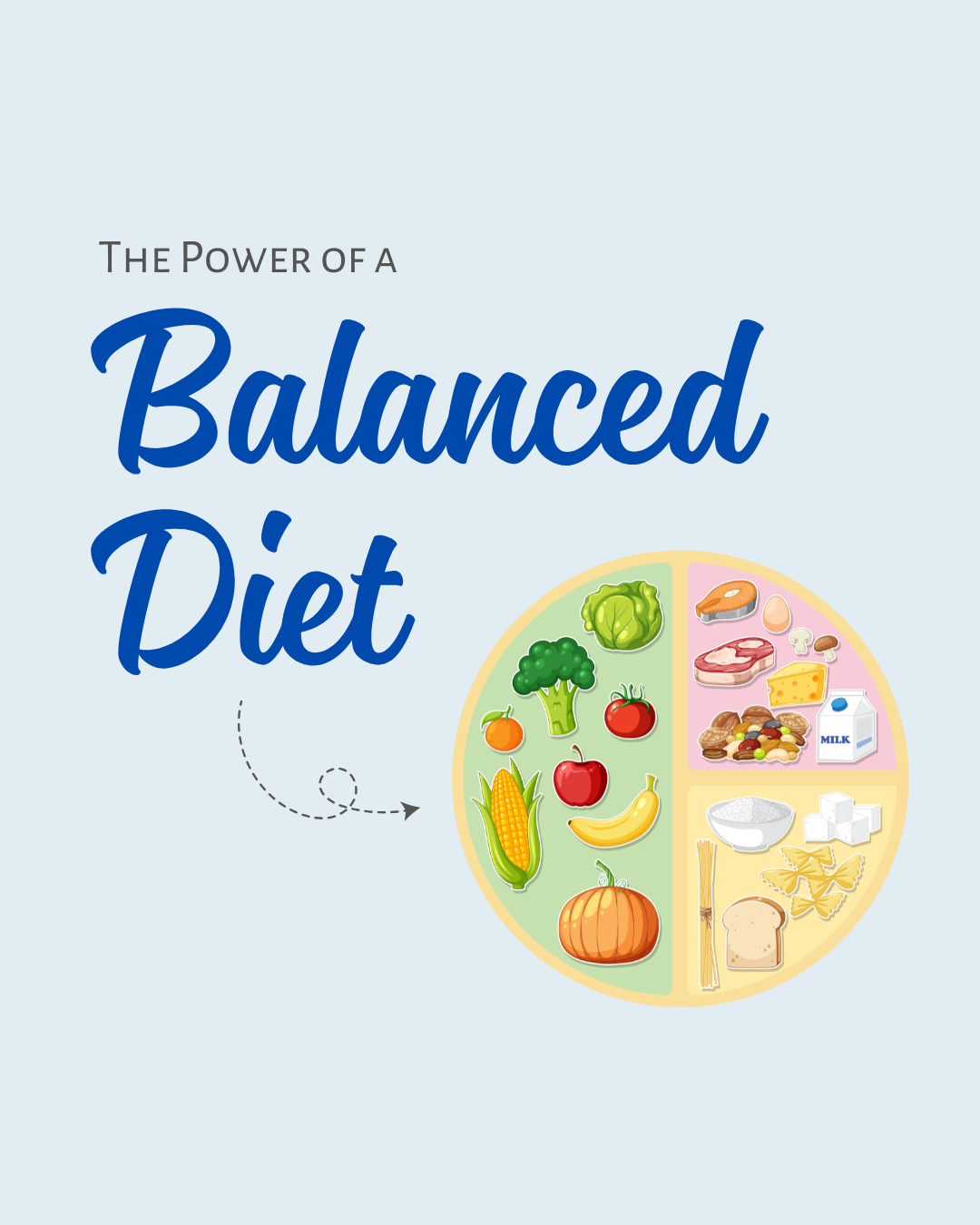
Portion awareness without obsession also goes a long way. Your hand is a surprisingly accurate measuring tool — a palm of protein, a fist of vegetables, a cupped handful of carbs. It travels with you, works at restaurants, and takes three seconds. Rob Lancsak, who’s worked with hundreds of dads over 20+ years as a certified trainer, puts it simply: the goal is a system you can use when things go sideways, not just when life is easy. That’s the standard your nutrition strategy needs to meet.
How Your Eating Patterns Affect More Than Your Waistline
This is where nutrition gets real. When your eating is chaotic — skipping meals, running on caffeine, crashing at 3pm — it isn’t just your body composition that takes the hit. Energy, mood, focus, and how you show up for your family are all downstream of what and when you eat. A lot of dads chalk up low energy or a short fuse to stress or bad sleep, and those are real factors. But under-eating earlier in the day and spiking blood sugar at night is quietly making everything worse.
Stable blood sugar means more consistent energy, better sleep quality, and a clearer head. For dads trying to reclaim the vitality they had before kids, fixing the eating pattern often unlocks improvements they didn’t expect — better workouts, less irritability, and actually feeling present in the evenings instead of just surviving them. You don’t need to be perfect. You need to be consistent enough that your body isn’t fighting you all day.
Frequently Asked Questions
I’m not trying to lose a ton of weight — do I still need to think about nutrition this carefully? Yes, but “carefully” doesn’t have to mean rigidly. Even if your goal is energy and feeling better, what you eat directly affects how you perform mentally and physically every day. Small, sustainable changes add up faster than you’d think.
What if I genuinely don’t have time to meal prep or cook during the week? Then your strategy needs to work without it. That means knowing which grab-and-go options are solid choices, keeping a few staples stocked (rotisserie chicken, Greek yogurt, eggs), and having a short list of fast-food or restaurant orders you can default to without thinking.
Is it ever worth tracking calories, or should I just skip it entirely? Short-term tracking for two to four weeks can be genuinely useful — not as a permanent habit, but as a reality check. Most people are surprised by what they’re actually eating. Use it to build awareness, then step back and use the simpler structures that actually stick.
If you’re done cycling through approaches that work for three days and then collapse under real life, it might be time to build something that actually fits your schedule. Check out the nutrition coaching options here — it’s designed specifically for dads who need results without an unrealistic system bolted onto an already full life.