Smoothies vs Real Food: What Wins for a Dad on the Go

Are smoothies actually a healthy breakfast or am I just drinking sugar? Honest answer: it depends entirely on what you’re putting in it. The smoothies vs real food debate for busy dads isn’t black and white — a well-built smoothie can be one of the smartest meals in your day, and a poorly built one can spike your blood sugar faster than a bowl of Lucky Charms. Here’s how to actually know the difference.
Smoothies vs Real Food for Busy Dads: Why the Comparison Is the Wrong Question
Most guys approach this like it’s a competition — smoothie OR eggs, shake OR oatmeal. But the real question is: what gets quality fuel into your body on a morning when you’ve got 11 minutes before the school bus comes? That’s the actual goal.
Real food — eggs, whole grains, Greek yogurt — wins on satiety and nutrient density. Chewing solid food triggers fullness signals in ways liquid calories don’t always match. But real food also requires prep time you may not have on a Tuesday. A smoothie built with protein (powder or Greek yogurt), fat (nut butter, avocado, flaxseed), fiber (spinach, frozen berries, oats), and limited fruit juice can absolutely hold its own. The problem isn’t smoothies. The problem is smoothies loaded with mango, banana, orange juice, and honey — that’s a dessert, not breakfast.
Both have a place. The goal is making either option work for your actual life, not the life you had before kids.
What a Dad’s Body Actually Needs in the Morning (That Most Breakfasts Skip)
This is where a lot of guys quietly fall apart. They skip breakfast or grab something fast, feel foggy by 9 a.m., then overeat at lunch. The pattern repeats. Your morning meal sets your blood sugar, energy, and hunger hormones for hours — and if you’re running on fumes already, skipping it or eating garbage isn’t just a nutrition problem, it’s a mood and focus problem too.
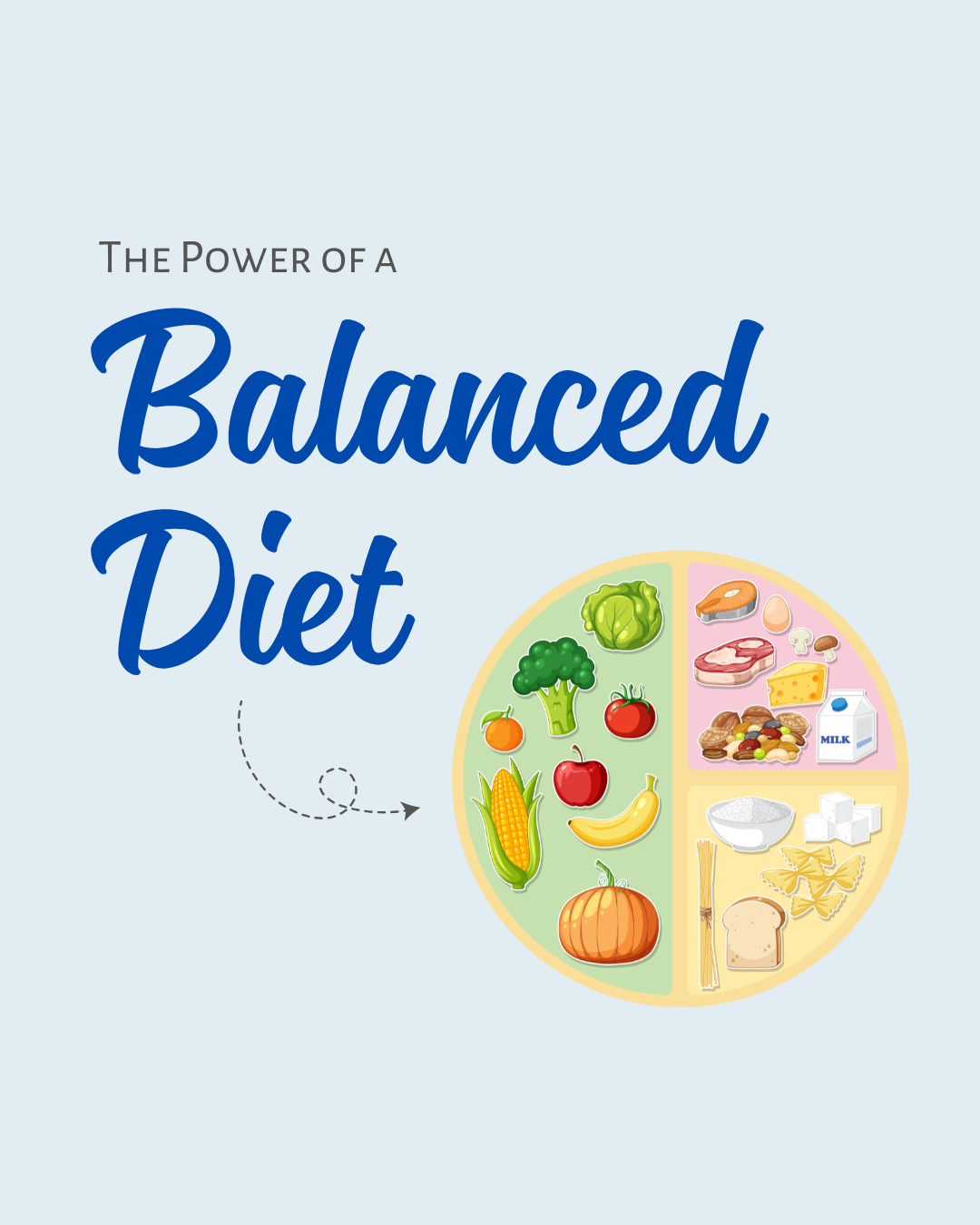
What your body needs first thing: protein (at least 25-30g), some healthy fat, and fiber. That combination slows digestion, stabilizes blood sugar, and keeps you functional through the morning chaos. A real food breakfast of two eggs, a slice of whole grain toast, and half an avocado nails this. A smoothie with a scoop of quality protein powder, a tablespoon of almond butter, half a cup of oats, and a handful of frozen spinach and berries also nails this. Both work. What doesn’t work is a banana-OJ-honey smoothie or a drive-through breakfast sandwich with zero fiber and 60g of refined carbs.
How to Build a Smoothie That Actually Does Something
If you’re going the smoothie route — and honestly, as a dad of twins, I get why you would — build it like a meal, not a snack. Start with your protein base: a scoop of protein powder or a cup of Greek yogurt. Add fat: a tablespoon of nut butter or some avocado. Add fiber and volume: a big handful of spinach (you won’t taste it), half a cup of frozen berries, and a quarter cup of rolled oats. Use water, unsweetened almond milk, or plain kefir as your liquid — not juice.
Keep fruit to one serving max and skip added sweeteners. If you need a little sweetness, half a frozen banana does the job without turning your breakfast into a sugar bomb. This kind of smoothie sits with you, fuels a workout if that’s in your morning, and doesn’t leave you starving by 10:30. That’s the version that wins the smoothies vs real food comparison — not because it beat real food, but because it is real food in a different form.
Frequently Asked Questions
Can I replace all my meals with smoothies to lose weight faster? You can, but you probably shouldn’t. Solid food keeps you fuller longer and supports better gut health over time. Smoothies are a great tool for one meal — usually breakfast — but building your whole diet around them tends to backfire because liquid calories don’t satisfy hunger the same way.
What protein powder should I use in my smoothies? Look for something with at least 20-25g of protein per serving, minimal added sugar, and an ingredient list you can actually read. Whey works well if you tolerate dairy. If not, a pea-rice protein blend is a solid option. Skip the ones marketed as “meal replacements” with 40+ ingredients — simpler is usually better.
Is a smoothie okay before a workout if I’m training in the morning? Yes, and it can actually be ideal. A lighter smoothie — protein, some carbs from fruit or oats, easy on the fat — digests faster than a full solid meal and gives you fuel without weighing you down. Just give yourself 20-30 minutes between drinking it and training hard.
The smoothies vs real food decision comes down to execution, not ideology — either one can fuel you well or slow you down depending on how you build it. If you want a clearer picture of what your nutrition should actually look like day to day, Rob’s nutrition coaching program is built for dads who are done guessing and ready to eat in a way that matches their real life.